The conversation around player housing has persisted for nearly two decades, rising and falling with each new expansion. What began as a niche request has grown into a symbol of deeper desires: permanence, personalization, self-expression, and long-term identity within an ever-changing world. The debate is no longer just about furniture or floorplans — it’s about what modern players want from their MMO experience.
This article explores how the housing debate reflects evolving expectations, why the desire for personal space has grown stronger, and what this shift reveals about the modern MMO community.
The Desire for Identity Beyond Gear
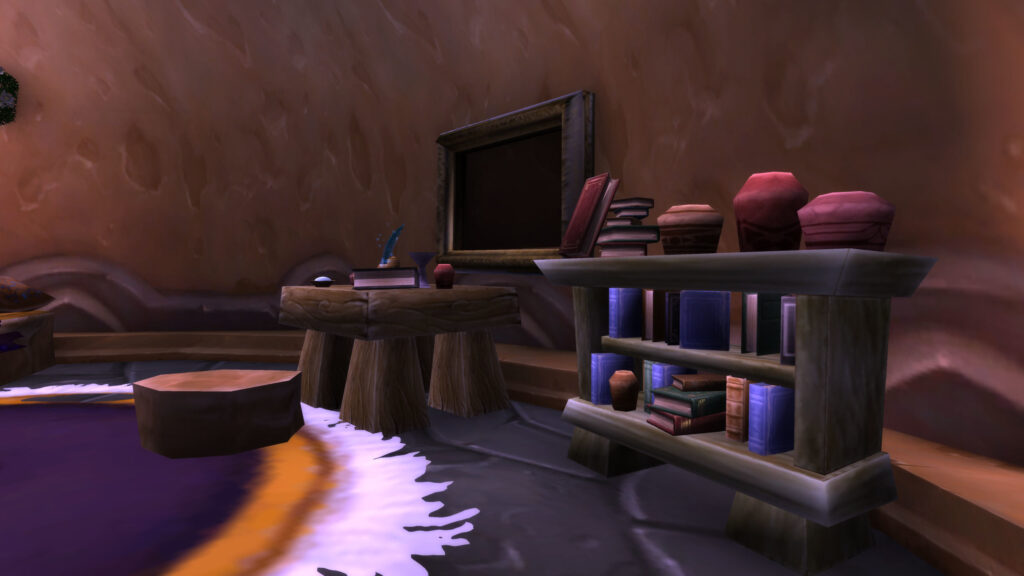
In the early years, player identity centered around gear, achievements, and progression. Characters were defined by what they could accomplish, not how they expressed themselves. Over time, as players matured and the MMO genre evolved, expectations shifted toward customization and personal creativity. Housing represents a form of identity that exists outside combat — a quiet, expressive space that players can call their own.
Identity now reaches beyond numbers into personal storytelling.
Why Housing Became a Symbol of Modern MMO Design
Across the genre, robust housing systems have become markers of longevity and community depth. Players saw how other MMOs offered persistent personal spaces and began imagining how their own world might support similar emotional connection. The debate grew not from envy, but from recognizing unused potential within a world built on exploration and creativity.
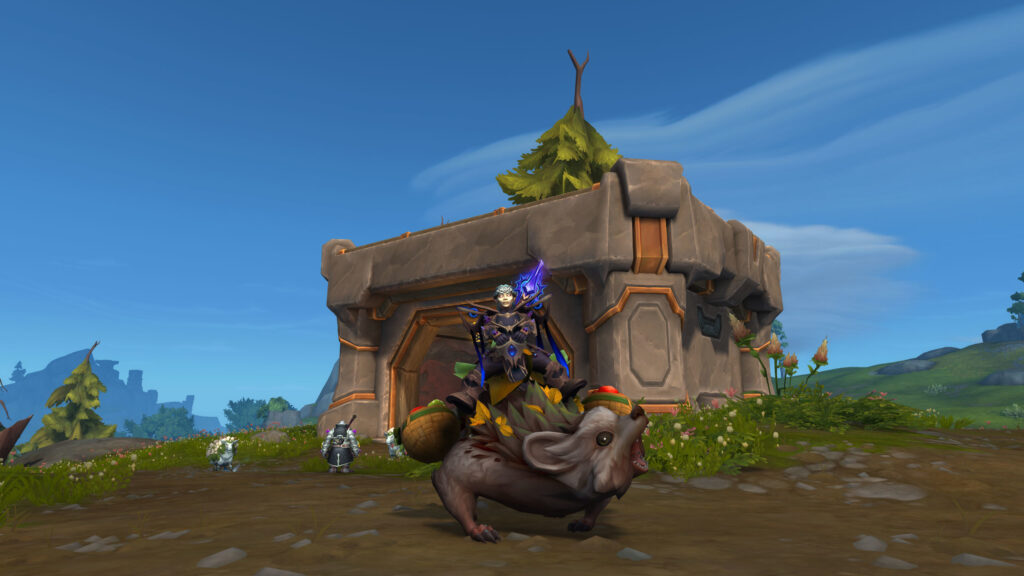
To highlight why players value housing, here is a simple overview:
- Personal expression: Spaces shaped by imagination, not stats
- Long-term goals: Projects that last beyond seasonal cycles
- Social hubs: Gathering places for friends and guilds
- Creative freedom: Building stories outside combat systems
- Emotional attachment: A home that evolves with the player
Housing as a Response to Modern Playstyles
Players no longer approach MMOs with the same expectations they had in 2004. Today’s community values flexibility, casual engagement, and creative spaces as much as competitive content. Housing fits naturally within this new landscape. It offers meaningful progression for players who may not always engage with raids or PvP but still want to invest deeply in the game world.
Personal space supports personal pacing.
The Emotional Promise of Permanence
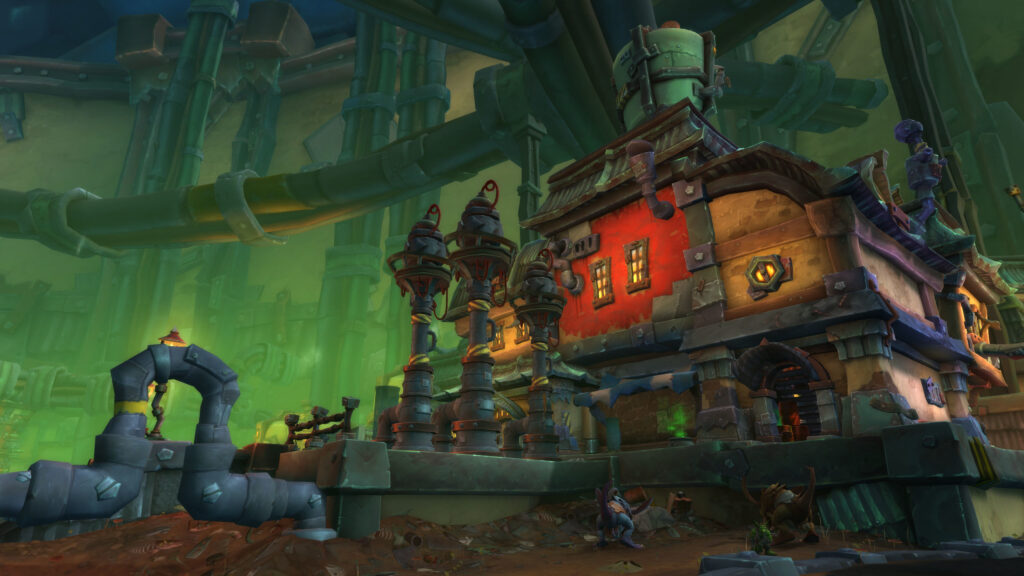
The world constantly evolves — continents shift, systems rise and fall, and narratives move forward each year. Housing represents the opposite: a place that remains stable. Players long for a permanent space that survives patches and expansions, anchoring them emotionally in a world defined by change. Housing is not just décor — it is a symbolic foundation.
Stability creates emotional belonging.
Why the Debate Reflects the MMO Genre’s Future
The desire for housing suggests a broader shift in the genre: players want worlds that feel lived in, not just played through. They want to build, express, and participate in the world as creators, not only as adventurers. The debate signals changing priorities that developers across MMOs now grapple with — identity, creativity, and long-term emotional investment.
Housing represents the evolving soul of player expectation.
Conclusion
The player housing debate is more than a feature request — it reflects changing expectations about identity, permanence, and emotional connection within MMOs. As players seek deeper ways to belong, the desire for a personal space grows stronger. Housing symbolizes the shift from linear progression toward a richer, more expressive vision of the MMO experience.