
When Mythic+ was introduced in Legion, it fundamentally reshaped how players approached dungeons in World of Warcraft. What once served as stepping stones for gearing and practice evolved into one of the most competitive, rewarding, and replayable systems in the game. By blending timed challenges, scaling difficulty, and meaningful rewards, Mythic+ transformed dungeons from linear experiences into an endgame pillar alongside raids and PvP.
Today, Mythic+ remains one of the most defining features of WoW’s endgame, offering both accessibility for casual players and competitive depth for those seeking to push the highest keys. Its influence on gameplay, strategy, and community culture has left an enduring mark on Azeroth.
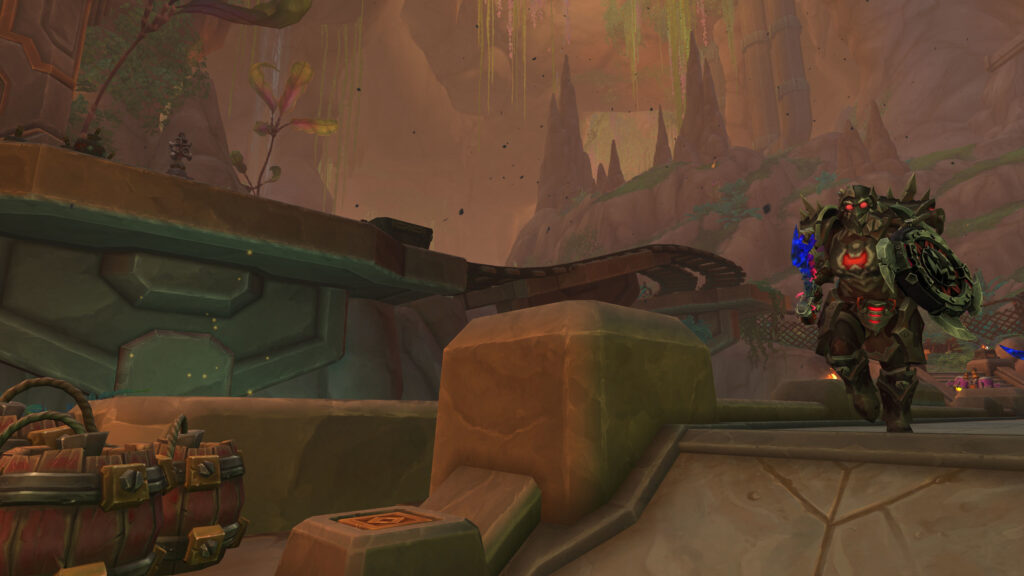
The Birth of a System
Before Mythic+, dungeons were primarily one-and-done activities. Once gear was obtained, there was little reason to revisit them outside achievements or nostalgia. Mythic+ solved this by introducing infinitely scaling difficulty and a timer, ensuring dungeons always presented a challenge regardless of player gear level.
This design gave dungeons new life, turning them into content worth repeating every week. The concept borrowed elements from roguelike games and competitive modes, setting WoW apart from other MMOs at the time.
Scaling Difficulty and Affixes
The cornerstone of Mythic+ lies in its scaling system. As keystones increase in level, mobs hit harder, mechanics intensify, and efficiency becomes critical. Affixes add another layer, forcing groups to adapt to weekly changes such as Explosive, Tyrannical, or Sanguine.
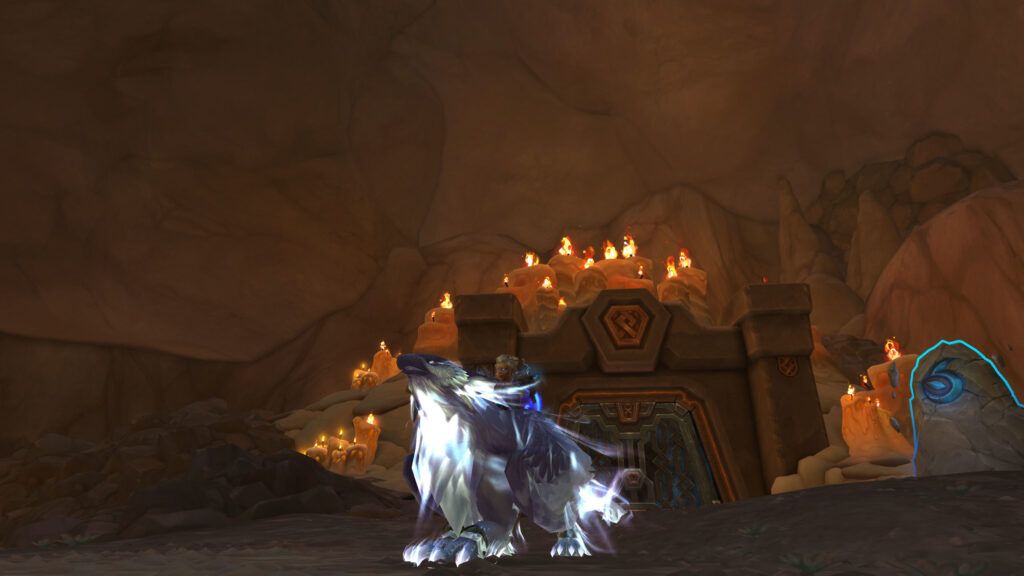
This dynamic ensures dungeons never feel stale. Players must not only master baseline mechanics but also adjust strategies week by week, keeping Mythic+ both challenging and fresh.
The Competitive Edge
Mythic+ introduced an esports-like atmosphere to dungeon play. Leaderboards, tournaments like the Mythic Dungeon International (MDI), and community competitions gave players reasons to push their limits. The timed nature of runs created thrilling scenarios where seconds decided success or failure.
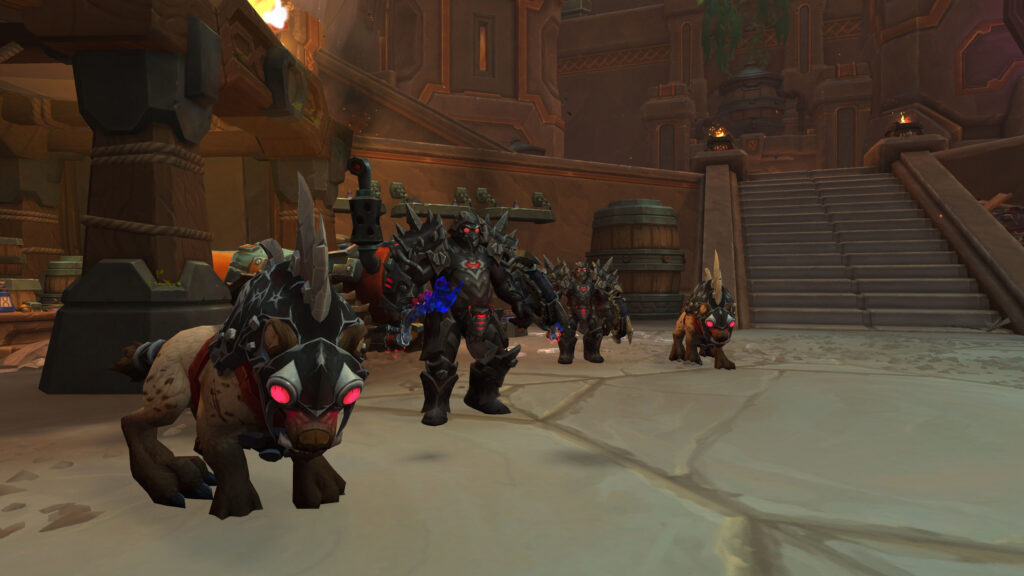
This competitive spirit drew in players who might not raid but still wanted structured, high-skill challenges. For many, Mythic+ became the ultimate test of coordination and execution.
Rewards and Progression
The Great Vault and end-of-run loot solidified Mythic+ as a core path for gearing. Players no longer had to raid exclusively to obtain high-level items, making Mythic+ an equally viable form of progression. The ability to earn powerful gear in shorter, more flexible sessions appealed to a broad range of players.
This democratization of rewards reshaped WoW’s endgame landscape. Dungeons were no longer just entry-level content but a central progression system rivaling raids.
Impact on Dungeon Design
Mythic+ forced Blizzard to rethink how dungeons were created. Layouts, mob density, and boss mechanics were designed with scaling in mind. Pull strategies, trash efficiency, and route planning became just as important as boss execution, adding a strategic layer to dungeon gameplay.
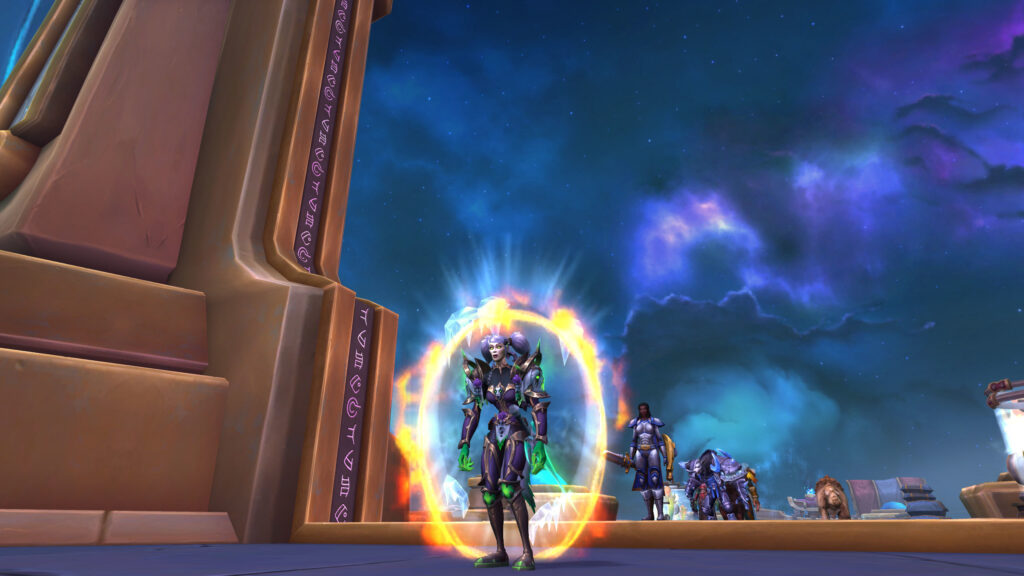
Over time, addons and community tools like Mythic Dungeon Tools helped refine strategies, turning dungeons into puzzles players solved collectively. This emphasis on planning set a new bar for how group content was experienced.
- Scaling keeps dungeons relevant.
- Affixes add weekly variety.
- Leaderboards create competition.
- Rewards rival raiding gear.
- Design evolved for long-term replayability.
Conclusion
Mythic+ forever changed WoW by elevating dungeons from side activities to a main pillar of endgame content. Its scaling challenges, competitive structure, and meaningful rewards ensure players continue to return week after week. More than a system, it has become part of WoW’s identity, shaping how players engage with group content across expansions.
For many, Mythic+ represents the perfect balance of accessibility and challenge, proving that even the simplest content can evolve into something extraordinary with the right design.
Home